Davana Oil
Artemisia pallens
SKU: AI/EO-006

Specifications
| CAS No. | 3/3/8016 |
|---|---|
| Method of Extraction | Steam Distillation |
| Consistency / Colour | Yellow to amber-colored liquid with a sweet, fruity, herbaceous, and balsamic aroma. |
| Origin | India |
| Source | Leaves and flowering tops |
| Constituents | Conventional |
| Specific Gravity | 0.930 – 0.980 |
| Optical Rotation | +5° to +20° |
| Flash Point | Above 70°C |
| Solubility | Soluble in alcohol and fixed oils; insoluble in water |
| Storage Conditions | Store in a cool, dry place away from direct sunlight. |
| Best Before | 3 Years |
Davana Oil: Brief Introduction
Davana Oil is a premium natural essential oil obtained through the steam distillation of the flowering tops and aerial parts of Artemisia pallens. Highly prized for its rich, sweet, fruity, and herbaceous aroma, Davana Oil has been used for centuries in perfumery, aromatherapy, personal care, and traditional wellness practices. Its unique fragrance adapts to an individual's body chemistry, making it one of the most valued ingredients in luxury perfumes and fine fragrance formulations.
The oil is carefully steam distilled to preserve its naturally occurring aromatic compounds and exceptional fragrance profile. Cosmetic manufacturers, perfumers, aromatherapy brands, pharmaceutical companies, and personal care industries source Davana Oil in bulk from trusted wholesale suppliers for a wide variety of industrial and commercial applications.
Botany
Davana belongs to the Asteraceae family and is a fragrant annual herb native to Southern India. It is primarily cultivated in Karnataka, Tamil Nadu, Andhra Pradesh, and other parts of India for its highly aromatic flowering tops. The plant grows up to 40–60 cm in height and bears finely divided leaves with clusters of small yellow flowers.
The flowering tops and aerial parts are harvested during full bloom and subjected to steam distillation to produce premium-quality Davana Oil. The resulting oil contains naturally occurring aromatic constituents that contribute to its distinctive fruity fragrance and traditional therapeutic value.
Davana Oil Uses
Historical
- Davana Oil has been used in traditional Ayurvedic practices for centuries.
- It was traditionally incorporated into herbal preparations to support overall wellness.
- The fragrant herb was used in religious ceremonies, temple offerings, and aromatic rituals.
- Davana Oil was highly valued in traditional perfumery for its unique sweet aroma.
Contemporary
- Davana Oil is widely used in luxury perfumes, deodorants, soaps, lotions, creams, and cosmetic formulations.
- It is incorporated into aromatherapy blends for its calming, balancing, and uplifting aroma.
- The oil is used in massage oils and wellness formulations after proper dilution with a suitable carrier oil.
- Cosmetic manufacturers, fragrance houses, herbal product companies, pharmaceutical industries, and aromatherapy brands purchase Davana Oil in bulk from certified wholesale suppliers worldwide.
Davana Oil Benefits
- Helps cleanse and refresh the skin when properly diluted in skincare formulations.
- Supports a calming and emotionally balancing atmosphere during aromatherapy sessions.
- Its rich fruity and herbaceous aroma promotes relaxation and emotional well-being.
- Contains naturally occurring aromatic compounds valued in premium personal care and fragrance formulations.
- May help soothe tired muscles when diluted with a suitable carrier oil for massage.
- Acts as a luxurious natural fragrance ingredient in perfumes, soaps, candles, cosmetics, and wellness products.
Davana Oil Blends Well With
Davana Oil blends well with Sandalwood, Rose, Jasmine, Lavender, Geranium, Bergamot, Sweet Orange, Lemon, Frankincense, Patchouli, Vetiver, Cedarwood, Clary Sage, Ylang Ylang, Neroli, and other essential oils. Davana Oil wholesale manufacturers also provide these complementary oils for fragrance development, cosmetic formulations, and industrial blending applications.
General Precautionary Measures
We recommend the following general precautionary measures as Davana Oil bulk suppliers.
Do not use Davana Oil for internal consumption.
Pregnant women, nursing mothers, and individuals with existing medical conditions should consult a
qualified healthcare professional before use.
Always dilute Davana Oil with a suitable carrier oil before topical application.
Conduct a patch test before applying the oil to the skin.
Avoid contact with the eyes, mucous membranes, and other sensitive areas.
Keep out of reach of children.
For external use only.
Storage Instructions
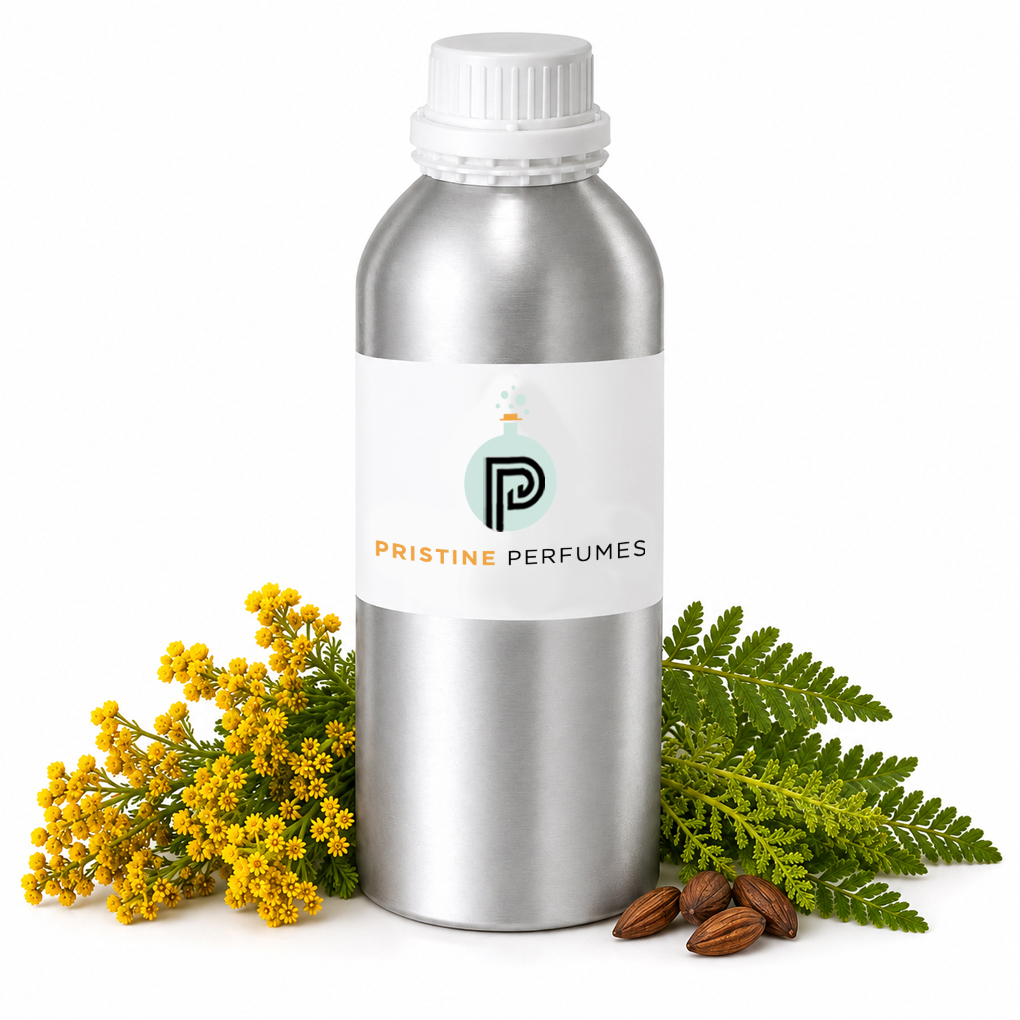
Transfer the Davana Oil received in aluminum containers from the Davana Oil bulk suppliers into amber-colored glass bottles. Store the bottles tightly sealed in a cool, dry, and dark place away from direct sunlight, excessive heat, and moisture. Proper storage helps preserve the oil's natural aroma, composition, and overall quality throughout its shelf life.
Global Supplier of Davana Oil
As a leading supplier of Davana Oil, we supply premium-quality essential oils to customers across global markets. Our Davana Oil is trusted by cosmetic manufacturers, pharmaceutical companies, aromatherapy brands, perfume manufacturers, fragrance houses, personal care manufacturers, and wellness industries for its consistent quality and purity.
Our Davana Oil is exported to the United States, Canada, United Kingdom, Germany, France, Italy, Spain, Saudi Arabia, UAE, Australia, Japan, South Korea, Brazil, Poland, Romania, Turkey, Thailand, Vietnam, Malaysia, Indonesia, China, Egypt, Nigeria, South Africa, and many other international markets.
With advanced manufacturing facilities, strict quality control procedures, competitive wholesale pricing, and efficient worldwide logistics, we ensure reliable bulk supply for businesses around the globe.
Documents Available on Request
- Certificate of Analysis (CoA) – Provides complete product specifications, including appearance, aroma, physical properties, and quality parameters.
- Gas Chromatography (GC) – Offers a detailed chromatographic profile of the oil's major constituents and their percentage composition.
- Mass Spectrometry (MS) – Identifies the individual chemical constituents present in the oil along with their relative proportions.