Patchouli Essential Oil
Pogostemon cablin
SKU: NNI-AI-E103091
Specifications
| CAS No. | 2233340 |
|---|---|
| Method of Extraction | Steam Distillation |
| Origin | Indonesia |
| Constituents | Patchoulol |
| Specific Gravity | 0.9673 @ 72°F |
| Optical Rotation | -51.99 |
| Flash Point | 188 °F |
| Solubility | Insoluble in water, soluble in alcohol and oils |
Variety: Patchouli Oil (light)
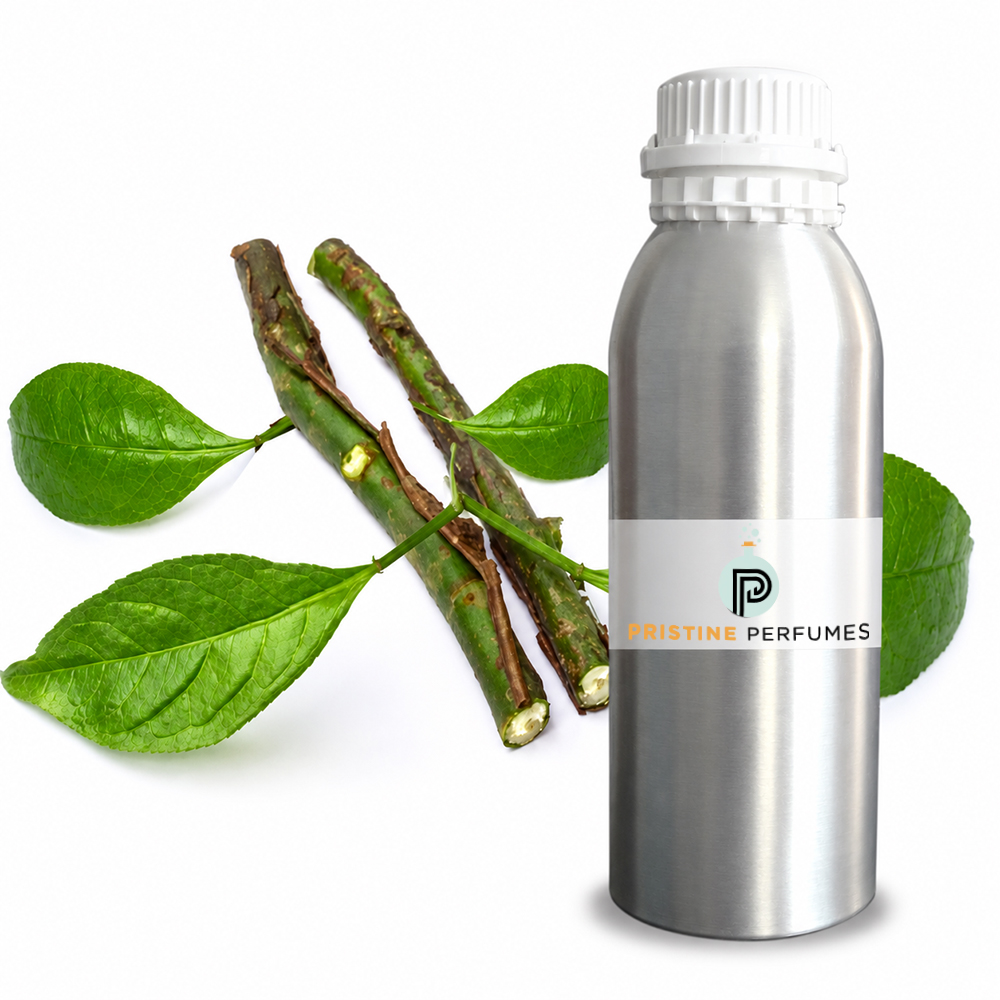
Our website is recognized as a top Patchouli oil manufacturer that derives the distilled oil from the leaves of the plant as per set norms of the industry. It is packed in airtight bottles so that it retains its efficacy and effectiveness till the time it reaches the consumers.
Botany
Patchouli is believed to belong to the Lamiaceae family that is also known as the Mint family. It grows like a bushy herb and has an erect stem that reaches up to a height of 75cm. The plant bears pale pink-white flowers that are small in size.
Patchouli Oil (light) - An Overview
The Patchouli Essential Oil Manufacturers extract the oil from the leaves patchouli plant by steam distillation. The oil is yellow thin oil with a musky and deep earthy odor. It offers base perfumery notes to the end products. I
In the U.S and Europe, this was believed to be a counter-culture revolution during the 60s that brought the use of this oil to the rest of the world. It is really surprising how olfactory associations and aromatic memory have remained in social awareness for many years. This affected the general perception of the plant and oils extracted from it.
- Traditionally, this was used in the preparation of folk medicine in many Asian countries for treating the oily scalp, dandruff, skin dryness, eczema, and acne.
- In the 1800s, the oil was assumed to get its name from the Hindi word,”pacholi” which means scent. The oil was believed to be used for this scent in the manufacturing of Indian fabrics such as shawls and silks to keep moths and insects away.