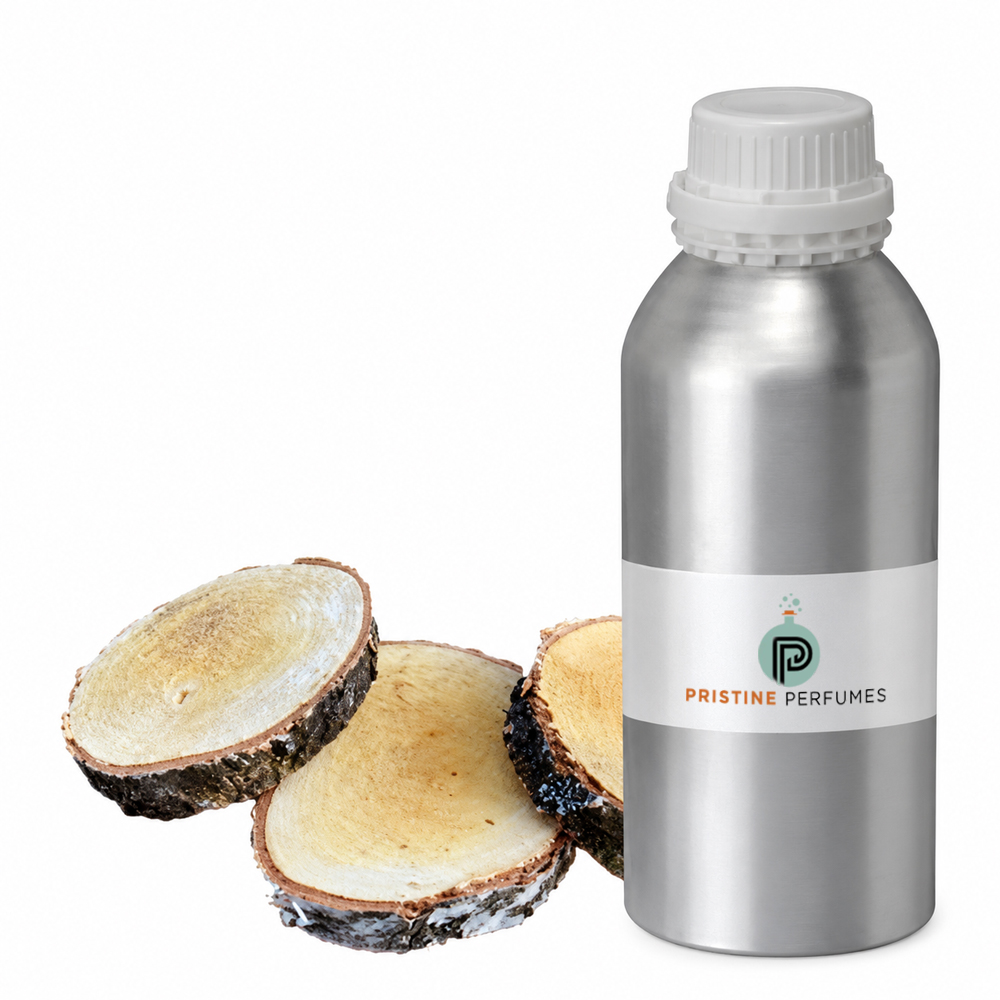
Silver Birch Essential Oil
Betula Pendula
SKU: NNI-AI-E210103

Specifications
| CAS No. | 8027-43-8 |
|---|---|
| Method of Extraction | Steam Distillation |
| Origin | Europe |
| Constituents | Alpha-copaene, germacrene D, and delta cadinene |
| Specific Gravity | 1.179 to 1.184 |
| Optical Rotation | -1.5 to +3.0 |
| Flash Point | 96ºC |
| Solubility | Insoluble in water, soluble in alcohol and oil |
Variety: Silver Birch Essential Oil
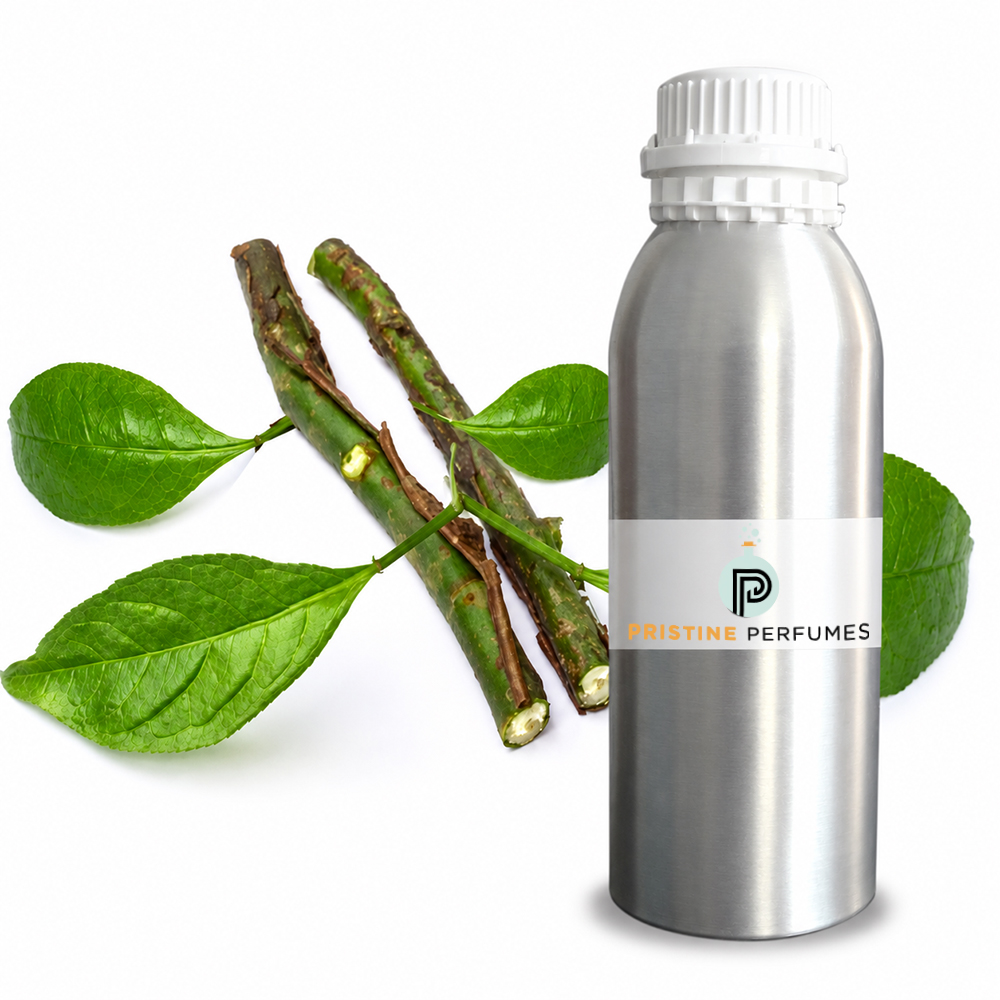
Silver Birch essential oil attracts aroma lovers across the world due to its unique fragrance notes and medicinal value. Pristine Perfumes takes care of every minute detail while harvesting and processing the buds and leaves of the silver birch to obtain quality oil. It is a leading silver birch essential oil manufacturer in Indiawith a range of birch oils.
Botany
Silver Birch is a tall deciduous tree having silver peeling bark on the trunk. Its botanical name is Betula pendula, a species of the Betulaceae family. It is found in the high-altitude regions of Siberia, Southwest Asia, and China. The tree bears slender twigs, pendulous triangular leaves, winged seeds, and catkin flowers. Its trunk is slimmer in comparison to that of Betula alba and lenta plants. The bark or outer layer of the trunk and branches is golden-brown initially, but the papery issue develops and it turns silver. Later on, it peels off in flakes. The leaves turn yellow before falling in autumn.
Many parts of the plant such as bark, leaves, buds, juice or resin, or other processed products have been used to treat multiple health conditions related to skin, infections, urinary tract, and inflammation.
Silver Birch Essential Oil
The essential oil is obtained from the buds of Betula pendula by using both hydrodistillation and micro distillation techniques by silver birch oil manufacturers. The major components of the oil are alpha-copaene, germacrene D, and delta cadinene. It is a thin colorless or pale yellow oil with a fresh sweet camphorous minty aroma. It displays microbial activities against Gram-positive, Gram-negative bacteria, and Candida Albicans.