Tamanu Oil
Calophyllum inophyllum/ tacamahaca
SKU: NNI-AI-C10506

Specifications
| CAS No. | 223748-12-7 |
|---|---|
| Method of Extraction | Cold Pressed |
| Origin | India |
| Constituents | Oleic Acid (25%), Linoleic Acid (26%), Stearic acid (32%) and Palmitic Acid (16%), and Other Acid (1 |
| Specific Gravity | 0.890 – 0.930 |
| Solubility | Insoluble in water, soluble in alcohol and Oils. |
Tamanu Carrier Oil
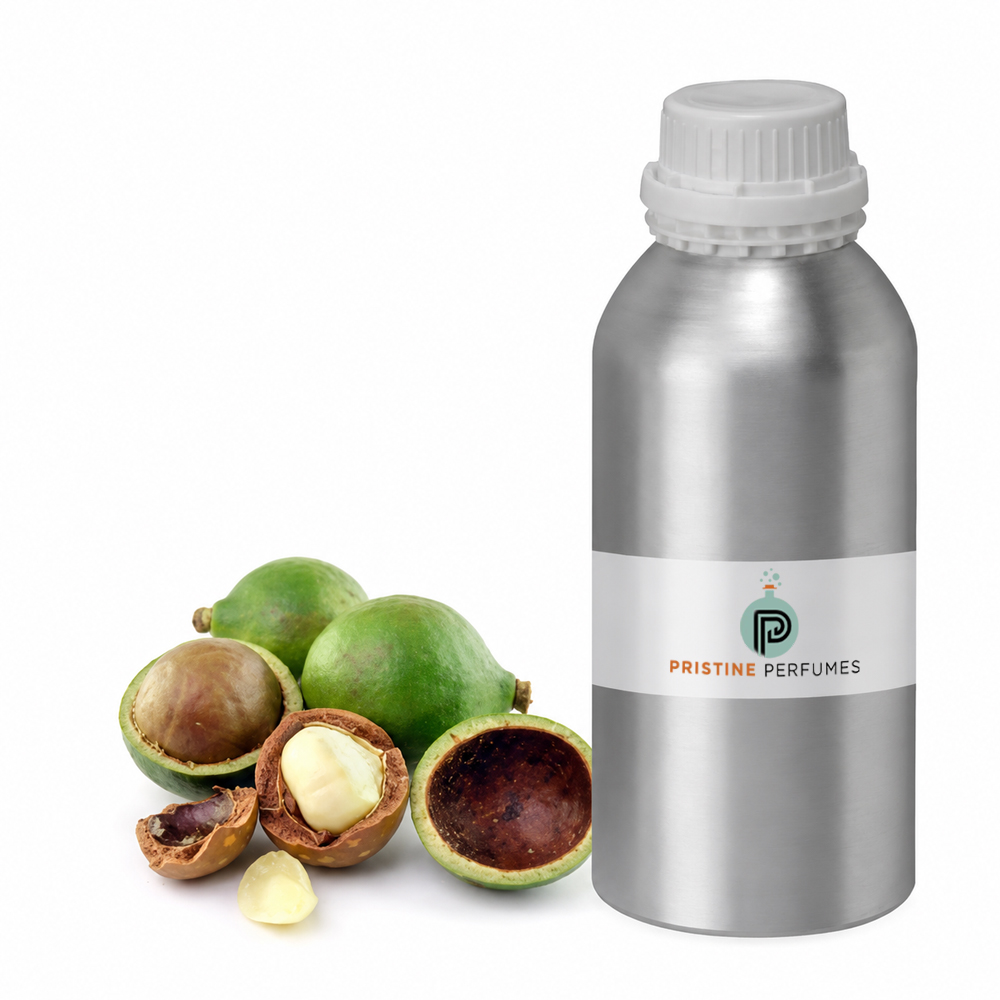
Tamanu oil has been traditionally used to treat various skin conditions in the Eastern part of the world. Many skincare formulations contain this oil due to its healing qualities. Pristine Perfumes is a foremost tamanu oil supplier with a significant presence in South Asia. It offers authentic and pure carrier oils to clients.
Botany
Tamanu is also known as Mastwood, Beach Calophyllum, or Beauty leaf. It is a low-branching, large evergreen plant indigenous to tropical Asia. It reaches the height of 26 to 66 ft with a broad or irregular crown. It passes through two flowering periods in spring and autumn in a year. The plant bears small white flowers, shiny green oval leaves, and round, green fruit drupe with a single large seed. The fruit turns yellow to brownish-red on ripening.
People in Africa, Southern Asia, and Australia have naturalized this tree extensively. The Tamanu plant typically grows in coastal regions and nearby lowland forests. It also withstands and grows in clay, sand, or degraded soil in inland areas of moderate altitudes. Tamanu-timber finds wide application in shipbuilding. Apart from that, the tree is cultivated to derive tamanu oil.
The traditional healthcare practitioners used a paste made from tamanu leaves and flowers to treat disorders. However, the compounds of leaves and plant sap are poisonous and can be used to kill rats, fish, or poison animals.
An Overview of Tamanu Carrier Oil
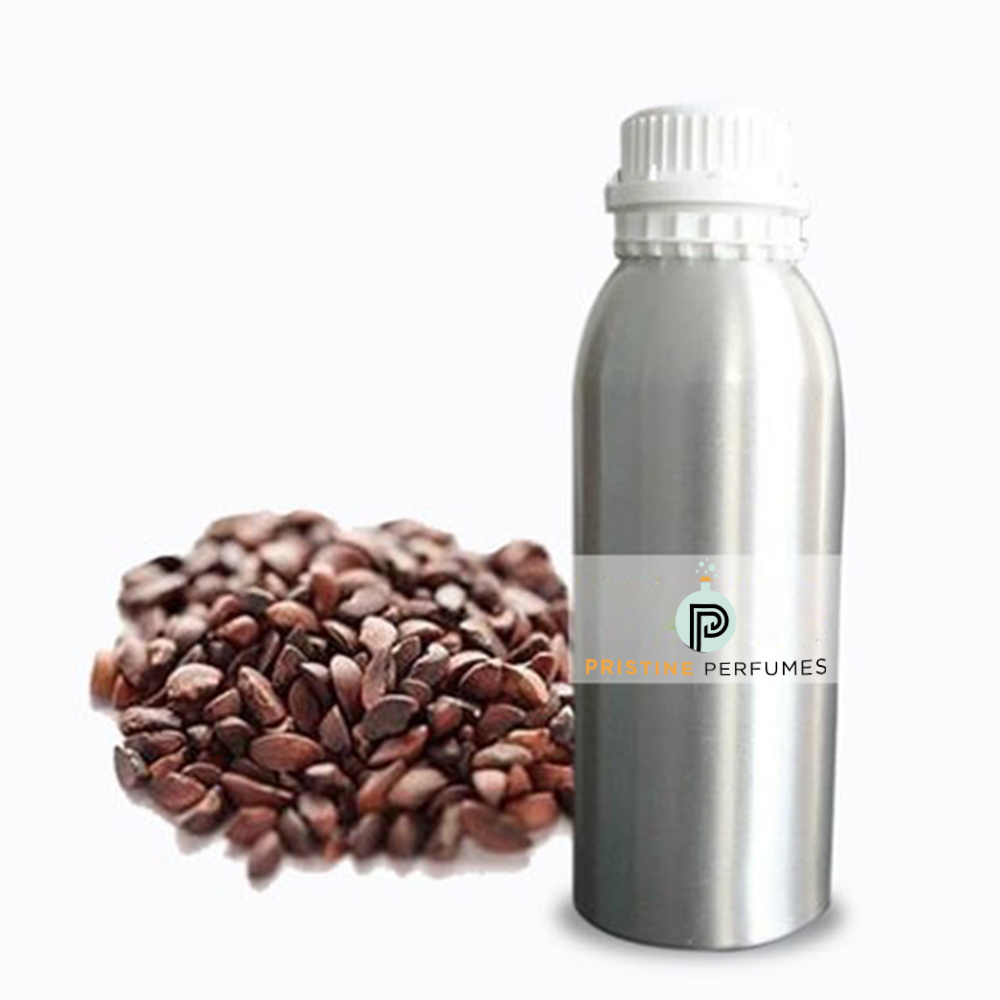
The tamanu oil manufacturers assimilate the dried kernels derived by cracking the nuts. They use the cold press method to derive a thick, dark green oil with a walnut-like smell. The tamanu oil has been historically known for its skin and hair benefits. It contains alpha-linolenic acid, oleic acid, and linoleic acid that naturally lubricate the oil. Besides, it has distinct calophyllic acid, a natural antibiotic called lactone, and non-steroid, anti-inflammatory called calophyllolide.
The oil is also composed of ethanol-soluble resinous parts made of neo- flavonoids and pyranocoumarin compounds. It possesses antioxidant, healing, antibacterial, UV-absorption, antifungal, and anti-inflammatory properties.